
Advantages of Sanitary Centrifugal Pumps in Manufacturing
Release time:
2025-10-31
Sanitary centrifugal pumps play a vital role in modern manufacturing processes, especially in industries where hygiene and product quality are essential

1. Introduction to Sanitary Centrifugal Pumps
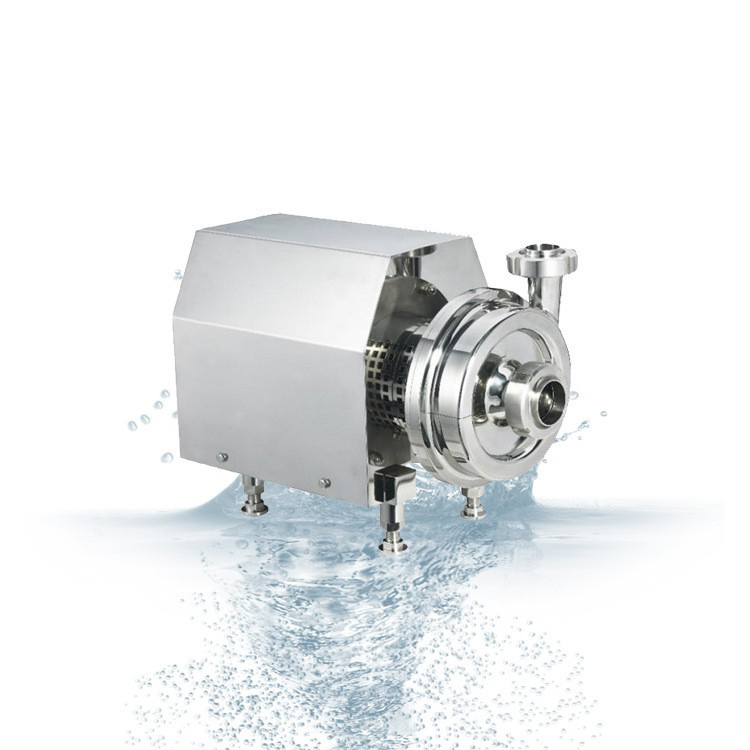
Sanitary centrifugal pumps are specifically designed to meet the stringent hygiene requirements of various manufacturing processes. Unlike standard pumps, these pumps are constructed from materials that resist corrosion and are easy to clean, making them ideal for applications where product purity is paramount. They operate by converting rotational energy from a motor into kinetic energy in the fluid, efficiently moving liquids through a system.
2. The Importance of Hygiene in Manufacturing
In today’s manufacturing landscape, maintaining hygiene is not just a regulatory requirement; it's a fundamental aspect of producing safe, high-quality products. Contamination can lead to product recalls, reputational damage, and regulatory fines. As such, industries like food and beverage, pharmaceuticals, and biotechnology must prioritize cleanliness in their operations. This is where sanitary centrifugal pumps play a crucial role, ensuring that the integrity of the fluid is preserved throughout the manufacturing process.
3. Key Benefits of Sanitary Centrifugal Pumps
3.1 Enhanced Product Quality
Sanitary centrifugal pumps are designed to minimize contamination risks. Their smooth surfaces and the absence of crevices ensure that no material can accumulate or harbor bacteria, which is vital in high-stakes environments like pharmaceuticals and food production. By utilizing these pumps, manufacturers can significantly reduce the risk of contamination, thereby enhancing product quality and safety.
3.2 Improved Operational Efficiency
The design of sanitary centrifugal pumps allows for continuous operation, which is essential for maintaining high productivity levels. They can handle a variety of fluid viscosities and shear-sensitive materials without compromising the product’s quality. This adaptability not only streamlines production processes but also helps manufacturers achieve higher output rates.
3.3 Versatility in Applications
Sanitary centrifugal pumps are incredibly versatile. They can be used in numerous applications, from transferring liquids to mixing and blending ingredients. This adaptability makes them suitable for various sectors, including food and beverage, pharmaceuticals, and personal care products. As a result, companies can use the same type of pump across different processes, simplifying inventory and reducing costs.
3.4 Easy Maintenance and Cleaning
One of the standout features of sanitary centrifugal pumps is their ease of cleaning. Many models are designed for quick disassembly, allowing manufacturers to clean and sanitize the pumps effectively between batches. This not only saves time but also ensures compliance with hygiene regulations, as proper maintenance minimizes the risk of cross-contamination.
3.5 Energy Efficiency and Cost Savings
With energy prices on the rise, manufacturers are increasingly looking for ways to reduce operational costs. Sanitary centrifugal pumps are engineered for energy efficiency, often consuming less power than traditional pumps. By reducing energy consumption, manufacturers can lower their utility bills and enhance their overall sustainability efforts.
4. Applications of Sanitary Centrifugal Pumps in Various Industries
4.1 Food and Beverage Manufacturing
In the food and beverage sector, sanitary centrifugal pumps are essential for transferring liquids like juices, sauces, and dairy products. Their hygienic design helps maintain the quality and safety of food products, preventing spoilage and contamination.
4.2 Pharmaceutical Industry
The pharmaceutical industry demands the highest level of hygiene and precision. Sanitary centrifugal pumps are widely used for transferring active ingredients and excipients, ensuring that no contaminants interfere with the final product. Their ability to handle sensitive materials without degradation is critical in this sector.
4.3 Biotechnology
In biotechnology, maintaining sterile conditions is crucial, especially when handling cultures and biological fluids. Sanitary centrifugal pumps allow for the efficient transfer of these critical materials while minimizing the risk of contamination, thereby supporting research and development efforts.
4.4 Cosmetic Manufacturing
Cosmetic manufacturers also benefit from the use of sanitary centrifugal pumps. The pumps facilitate the mixing of ingredients and the transfer of finished products, ensuring that formulations remain uncontaminated during production.
5. Choosing the Right Sanitary Centrifugal Pump
Selecting the appropriate sanitary centrifugal pump involves several factors, including the type of fluid being pumped, the required flow rate, and the specific application. Key considerations should include:
- **Material Compatibility**: Ensure the pump material is compatible with the fluid.
- **Flow Rate and Pressure**: Determine the required flow rate and operating pressure to select an appropriately sized pump.
- **Hygienic Standards**: Verify that the pump complies with relevant industry standards, such as FDA or 3A Sanitary Standards.
- **Installation and Maintenance**: Choose a pump that fits well within your existing system and offers ease of maintenance.
6. Maintenance Best Practices for Longevity
To maximize the lifespan and efficiency of sanitary centrifugal pumps, regular maintenance is essential. Here are some best practices to follow:
- **Routine Inspections**: Regularly check for leaks, wear, and tear. Early detection can prevent major failures.
- **Cleaning Protocols**: Establish a cleaning schedule to ensure the pump remains free from contaminants. Utilize appropriate cleaning agents that comply with industry standards.
- **Lubrication**: Ensure that bearings and seals are properly lubricated to reduce friction and wear.
- **Monitoring Performance**: Keep track of performance metrics, such as flow rate and pressure, to identify any deviations that may indicate issues.
Sanitary centrifugal pumps play a vital role in modern manufacturing processes, especially in industries where hygiene and product quality are essential. Their ability to enhance operational efficiency, reduce contamination risks, and provide versatility in applications makes them an invaluable asset for manufacturers. By understanding the benefits and best practices associated with these pumps, companies can improve their manufacturing processes and ensure compliance with industry standards while achieving greater productivity and cost savings. As the manufacturing landscape continues to evolve, investing in high-quality sanitary centrifugal pumps will be crucial for maintaining competitive advantage and delivering superior products.
Related News
Understanding the Technology Behind Low Noise Clear Water Pumps: A Comprehensive Guide
2026-09-21
Understanding Chemical Processing Centrifugal Pumps: Key Insights for Industrial Applications
2026-09-16
From Design to Deployment: Effectively Utilizing Water Ring Vacuum Pumps for Optimal Performance
2026-09-11
Exploring the Benefits and Applications of Magnetic Pumps in Pharmaceutical Liquids
2026-09-06
Choosing the Right Corrosion Resistant Submersible Pump for Your Needs
2026-09-01
Understanding Low Noise Clear Water Pumps: A Key to Efficient Industrial Operations
2026-08-27


COPYRIGHT © 2025 Wenzhou Bangming Machinery Equipment Manufacturing Co., Ltd. Powered by:www.300.cn seo
Wenzhou Bangming Machinery Equipment Manufacturing Co., Ltd.
E-MAIL:
info@glfpump.com
TEL:
86-0794-4277168
ADD:
No. 2, Jing San Nan Yi Road, Lantian Industrial Park, Longwan District, Wenzhou City